How Climate-Controlled Storage Protects Your Belongings in Winter
Rose Verdi
January 12th, 2026
When the temperature drops, most of us instinctively protect ourselves: we pull out heavy coats, winter boots, thick blankets, and crank up the heat at home. But what about the belongings you’ve tucked away in the attic, garage, basement, or standard storage space?
Cold weather in New York isn’t just uncomfortable—it can be harsh on many of the things you value most. From wood furniture and electronics to family photos and business inventory, winter can quietly cause damage that you might not notice until it’s too late.
That’s where climate-controlled storage comes in. If you’ve ever wondered whether it’s worth upgrading to a climate-controlled unit, winter is the perfect season to understand how it works and what it protects. Let’s break down why climate-controlled storage is so important in cold-weather months and how it helps safeguard your belongings all year long.
What Is Climate-Controlled Storage?
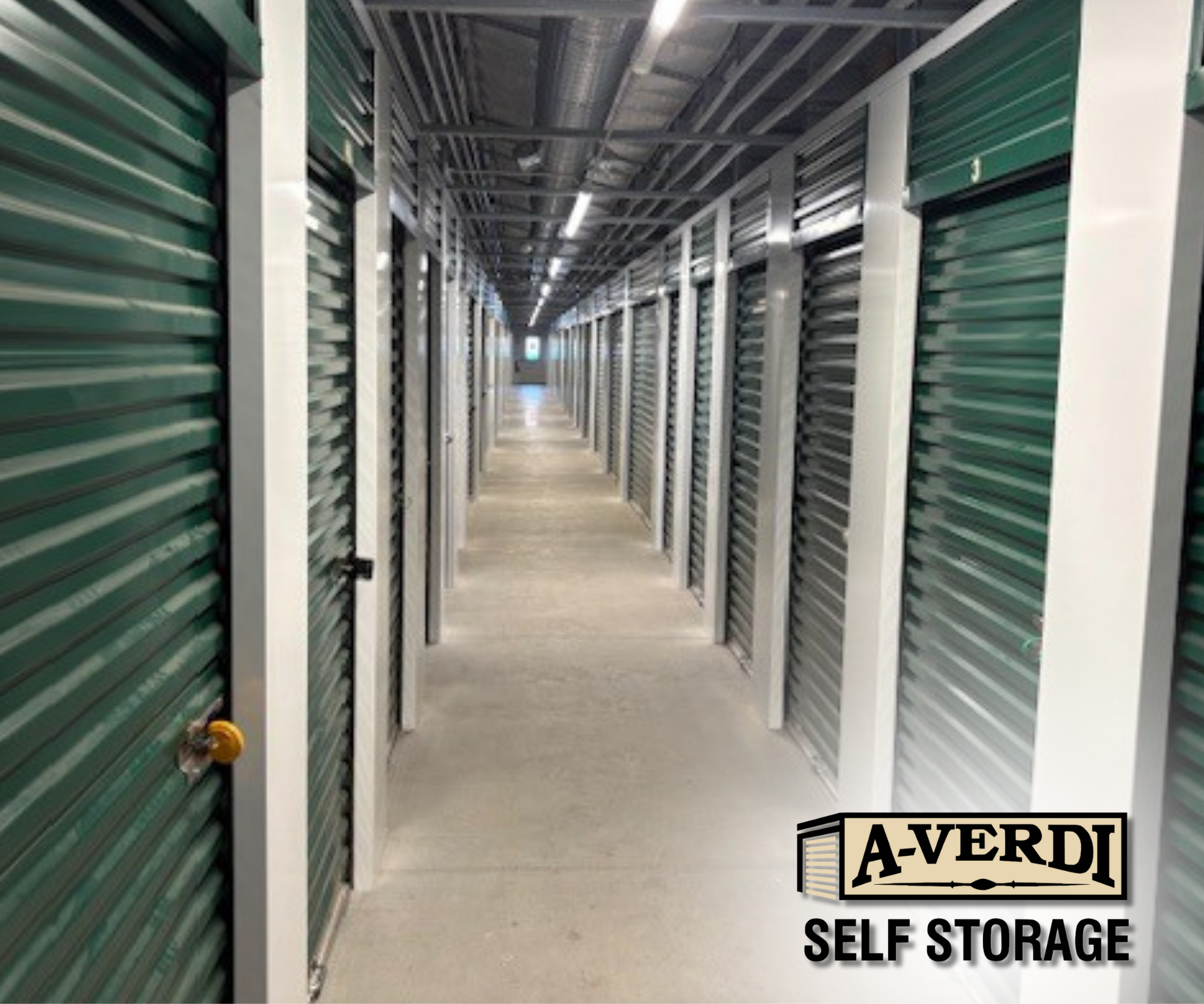
Climate-controlled storage is designed to keep temperature and sometimes humidity within a more stable range than typical, non-climate units.
While details can vary by facility, the key idea is consistent: instead of your items being exposed to outdoor temperature swings—from freezing winter lows to hot summer highs—your belongings stay in a more comfortable, indoor-like environment.This helps:
- Reduce the risk of warping, cracking, rust, mildew, and mold
- Protect sensitive materials like wood, paper, fabric, metal, leather, and electronics
- Provide a more comfortable environment when you’re visiting your unit to drop off or pick up items in the middle of winter
If you’ve ever avoided going to your storage space in January because it feels like stepping into a freezer, you’ll appreciate the difference.
Why Winter Is Especially Tough on Stored Items
Summer heat gets a lot of attention, but winter brings its own set of challenges—especially in regions that experience freezing temperatures, snow, and ice. Here’s how cold weather can affect stored belongings:
1. Expansion and contraction
Many materials—wood, plastic, metal, even some fabrics—expand and contract as temperatures rise and fall. In an unregulated environment, repeated freeze–thaw cycles can cause:
- Cracks in wooden furniture
- Loose joints and hardware
- Warping in musical instruments
- Stress on plastic and composite materials
Over time, this movement can weaken structures or ruin finishes that were once smooth and even.
2. Moisture and condensation
When temperatures fluctuate, so does moisture. Cold air holds less moisture than warm air, and as the temperature changes, condensation can form:
- On metal surfaces, which can lead to rust and corrosion
- Inside boxes and containers, which can encourage mold and mildew
- On electronics, which can damage circuits and components
Even if your items are stored indoors, a space without climate control can still experience these swings, especially in older buildings or units with exterior exposure.
3. Vulnerable materials
Certain belongings are especially sensitive to cold and moisture:
- Photos and important documents can curl, stick together, or fade.
- Vinyl records, CDs, and media can warp or crack.
- Upholstered furniture and mattresses can absorb moisture and develop odors or mildew.
- Artwork and framed prints can be damaged by humidity, condensation, and freezing temperatures.
If your winter storage solution doesn’t account for these risks, you may pull items out in the spring only to find they’ve been permanently damaged.
What Belongs in Climate-Controlled Storage?
Not everything needs climate control—but many things benefit from it, especially during winter. If you’re deciding whether climate-controlled storage is right for you, consider these common items:
Household items
- Wood or leather furniture
- Mattresses and upholstered furniture
- Family photo albums, scrapbooks, and framed photos
- Important documents and records
- Books and magazines
- Collectibles and antiques
- Musical instruments (guitars, pianos, violins, brass instruments)
Electronics and media
- TVs, computers, and monitors
- Audio equipment and speakers
- Cameras and lenses
- Game consoles and components
- Vinyl records, CDs, DVDs, and tapes
Business and commercial items
- Inventory that’s sensitive to temperature swings
- Paper files and records
- Samples, marketing materials, and product displays
- Office equipment and electronics
If you’d hesitate to leave something in a freezing garage, damp basement, or unheated attic, that’s a strong sign it belongs in a climate-controlled storage unit instead.
Climate-Controlled Storage vs. Storing at Home
You might wonder: Can’t I just keep everything in my basement or attic during winter? At first glance, that seems easier—but it doesn’t always give your belongings the protection they deserve.
Attics and garages
Attics and garages tend to mimic outdoor temperatures. In winter, that means they become extremely cold—with added risks:
- Greater temperature extremes and fluctuations
- Risk of minor roof leaks or snow melt trickling in
- Pests seeking warmth and shelter
If you’re storing sentimental items or anything of significant value, these are not ideal environments.
Basements
Basements are often cooler and more humid, which can lead to:
- Dampness and musty odors
- Surface mold, especially on cardboard boxes and fabric
- Slow damage to paper goods, wood, and metal
Even if you’ve used your basement as “storage space” for years, climate-controlled storage can provide an immediate upgrade in protection and peace of mind.
How Climate-Controlled Storage Helps in Winter (and Beyond)
Choosing climate-controlled storage isn’t just about surviving one cold season—it’s about preserving your belongings over the long term. Here’s how it helps:
1. Stable temperature
By maintaining a more consistent temperature, climate-controlled units reduce the stress that expansion and contraction put on your belongings. This is especially important for wood furniture, instruments, and electronics.
2. Added protection from moisture
While climate control isn’t the same thing as a dehumidifier, a regulated environment tends to keep humidity levels more stable than unconditioned spaces. Combined with proper packing—like using plastic totes instead of thin cardboard—this significantly reduces the risk of condensation and moisture damage.
3. Cleaner, more comfortable environment
Climate-controlled units are typically located inside well-maintained buildings. That often means:
- Better air circulation
- Less dust and debris
- Reduced pest activity compared to sheds, garages, or outdoor spaces
Plus, when you visit your unit in the middle of January, you’ll appreciate being indoors instead of braving the wind and snow while you search for a box.
Tips for Packing Items into Climate-Controlled Storage
Once you’ve decided to take advantage of climate-controlled storage, a little extra care when packing will go a long way in protecting your belongings.
Use quality containers
- Choose sturdy plastic totes with secure lids for long-term storage.
- Save cardboard boxes for lighter items and plan to keep them off the floor.
Wrap and cushion delicate items
- Use moving blankets, bubble wrap, and soft packing paper for fragile pieces.
- Wrap furniture to protect against scuffs and dust, even in a clean unit.
Label everything clearly
- Label boxes on multiple sides with specific descriptions: “Winter Coats,” “Photo Albums,” “Home Office Electronics,” etc.
- Consider keeping a simple inventory list on your phone so you always know what’s in your unit.
Create accessible walkways
- Don’t pack the unit so tightly that you can’t move around.
- Leave a small aisle so you can reach items in the back without unloading everything.
When Is Climate-Controlled Storage Worth It?
If you’re storing only durable items—like plastic outdoor furniture or tools—a standard unit might be all you need. But climate-controlled storage is worth considering when:
- You’re storing high-value or sentimental items you can’t easily replace.
- You want to protect electronics, furniture, or collectibles from extreme cold.
- You’re using storage as part of a long-term plan—for example, during a multi-month renovation, extended travel, or ongoing business operations.
- You live in an area with cold winters and hot summers, and you want year-round protection.
Ultimately, climate-controlled storage is an investment in protecting the things that matter—whether that’s your family’s memories, your home furnishings, or your business.
Give Your Belongings a Better Winter Home
Winter can be tough, but your belongings don’t have to bear the brunt of it. Climate-controlled storage offers a safer, more stable environment for the items you care about most, giving you peace of mind while freeing up valuable space at home.Whether you’re decluttering for the New Year, preparing for a move, protecting important business inventory, or just tired of worrying about what’s happening to your belongings in the cold, climate-controlled storage is a smart solution.
If you’re ready to make this winter easier on you and your belongings, consider moving your most valuable, sensitive items into a climate-controlled unit from A-Verdi Self Storage. Your future self—unpacking those items in perfect condition—will be glad you did.
For more helpful storage tips, ideas, and seasonal reminders, be sure to follow A-Verdi Self Storage on Facebook!