Organizing Outdoor Gear for the Summer Season (Without Taking Over Your Garage)

Tips & Tricks


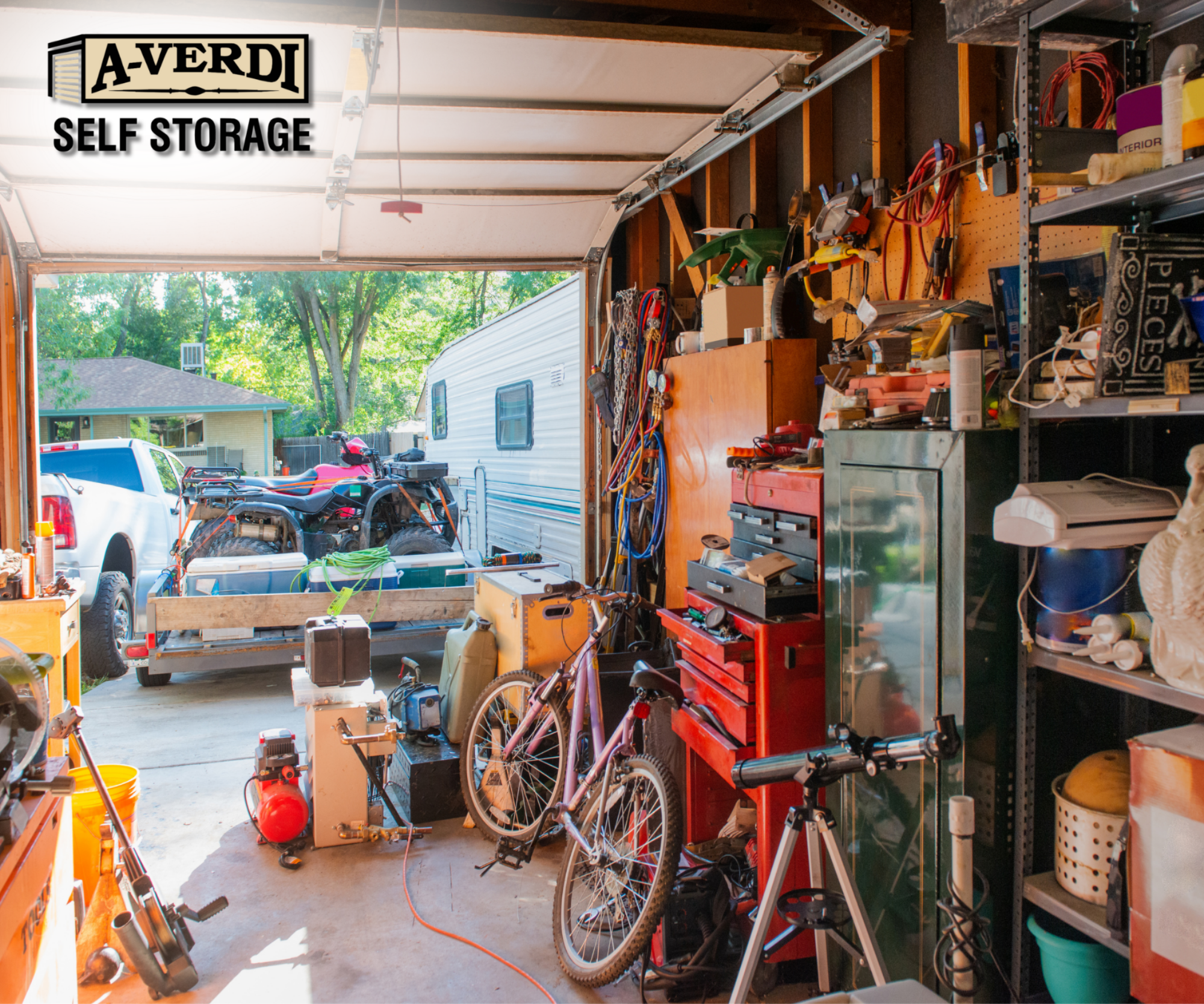
garage with various equipment, gear, and tools

As the weather warms up, life naturally shifts outdoors. Suddenly, bikes come out of storage, lawn equipment gets regular use, sports gear multiplies, and outdoor furniture reappears. Summer is meant to feel light and fun—but for many households, it also brings a familiar problem: outdoor gear chaos. Garages become obstacle courses. Sheds overflow. Patios double as storage zones. And every time you need one specific item, you end up moving five others to get to it. The solution isn’t getting rid of everything—it’s organizing outdoor gear in a way that matches how you actually use it. With a little planning and smart use of storage, you can enjoy summer without tripping over it. Why Outdoor Gear Gets Out of Control So Fast Outdoor gear is tricky because it’s: Bulky Used frequently—but not year-round Often shared by multiple family members Constantly rotating in and out depending on activities Unlike indoor items, outdoor gear doesn’t always have a natural “home.” Bikes lean against walls, sports equipment piles up in corners, and tools migrate wherever there’s space. Without a system, summer fun can quickly turn into daily frustration. Start by Grouping Gear by Activity Before organizing anything, take stock of what you actually have. Pull outdoor gear into broad categories, such as: Bikes, scooters, and ride-on toys Yard tools and lawn equipment Sports gear (baseball, soccer, golf, etc.) Camping and recreation equipment Pool and beach accessories Outdoor furniture cushions and décor Seeing everything grouped together makes it easier to identify duplicates, broken items, or things that aren’t being used anymore. It also helps you decide what should stay easily accessible—and what doesn’t need to take up prime space. Decide What You Need Right Now Not all summer gear is used equally. Some items are daily or weekly essentials. Others are only used for occasional trips or specific activities. Mixing everything together is what causes clutter. Ask yourself: What do we use weekly or daily? What do we use a few times per season? What won’t be used again until late summer or fall? Items in the first group should be the easiest to reach. Everything else can be stored more intentionally—or moved off-site ...


Rose Verdi
April 27th, 2026


Space-Saving Hacks for Homeowners Who Want Less Clutter and More Breathing Room

Tips & Tricks


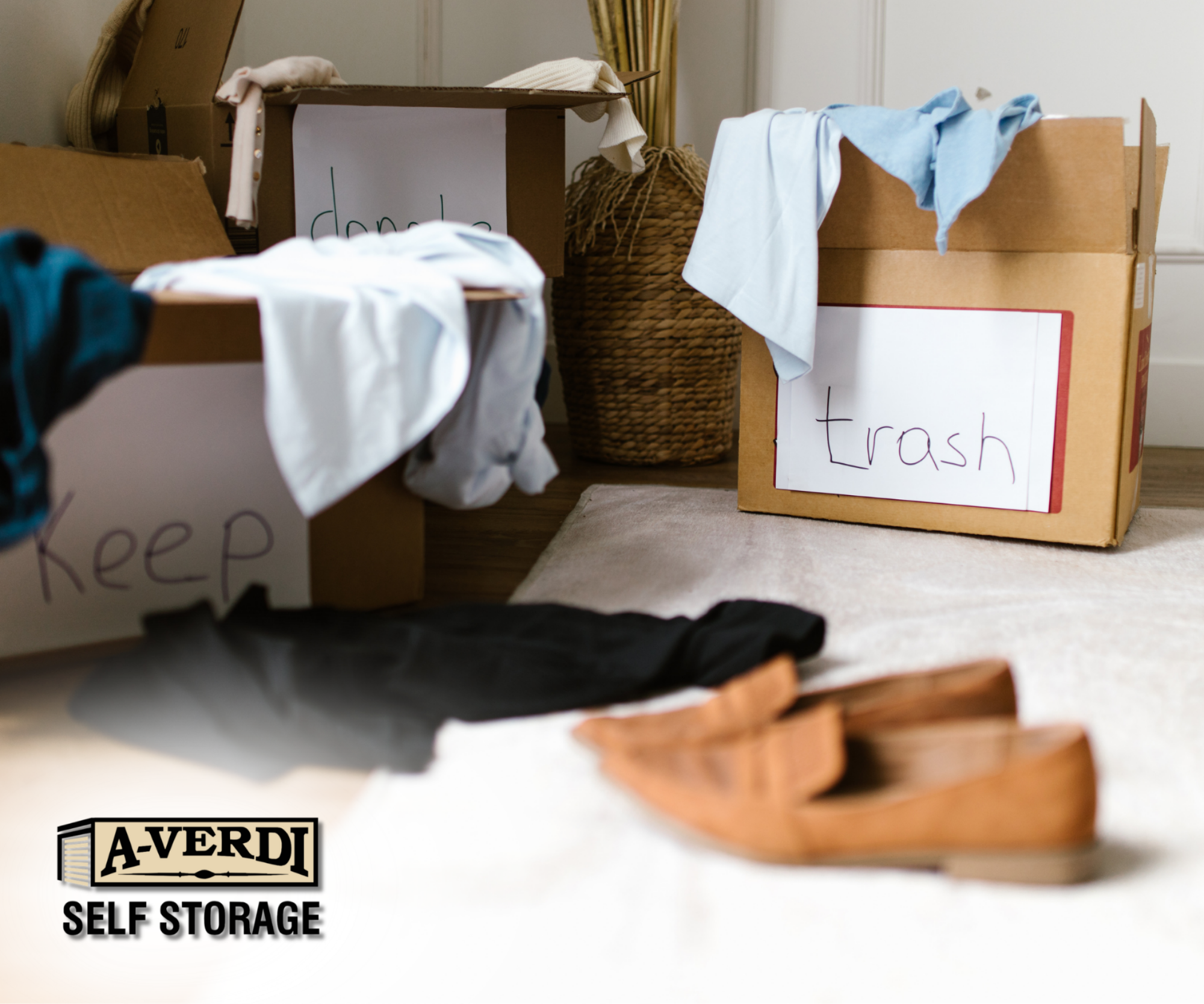
Decluttering scene with labeled boxes for keep, donate, and trash, clothes sorting on floor, and A-Verdi Self Storage branding visible—organized home cleanout and storage preparation concept

It’s amazing how quickly a home can feel too small. A few years of busy schedules, growing families, new hobbies, and seasonal gear—and suddenly closets won’t close, cabinets are overflowing, and every “extra” room has become a catch-all. The problem often isn’t the size of your home—it’s how the space is being used. The good news? You don’t need a full renovation or a bigger house to feel more comfortable. With smart space-saving strategies—and a little help from self storage—you can create breathing room, reduce daily stress, and make your home work better for you. Here are practical, realistic space-saving hacks homeowners actually use to reclaim their space. Start With How You Live, Not Just What You Own Before rearranging furniture or buying organizers, take a step back and think about how you use your home on a daily basis. Ask yourself: Which spaces feel the most cramped or stressful? Where does clutter tend to pile up? What items do we use daily, weekly, or only seasonally? Space-saving isn’t about hiding things—it’s about making sure your most-used items are the easiest to access, while everything else has a proper place. Rethink Closet Space (It’s Prime Real Estate) Closets often become storage zones for everything we might need someday. That’s why they fill up fast. Simple changes can make a big difference: Rotate clothing by season so only current-season items live in your closet Store bulky coats, boots, and accessories elsewhere during warmer months Use slim hangers to create more hanging space Keep closet floors clear so you can actually see what you own When closets hold only what you actively use, they suddenly feel twice as big. Seasonal clothing and accessories are perfect candidates for self storage, freeing up daily-use space without forcing you to part with anything. Let Furniture Do Double Duty Not all storage solutions need to look like storage. Multi-purpose furniture can quietly add space without adding clutter: Ottomans with hidden storage Beds with built-in drawers or under-bed clearance Benches that open for shoes, blankets, or toys Coffee tables with shelving or compartments These pieces help keep everyday items close at hand while keeping ...


Rose Verdi
March 16th, 2026


How to Store Sentimental Items the Right Way (Without Letting Them Take Over Your Home)

Tips & Tricks


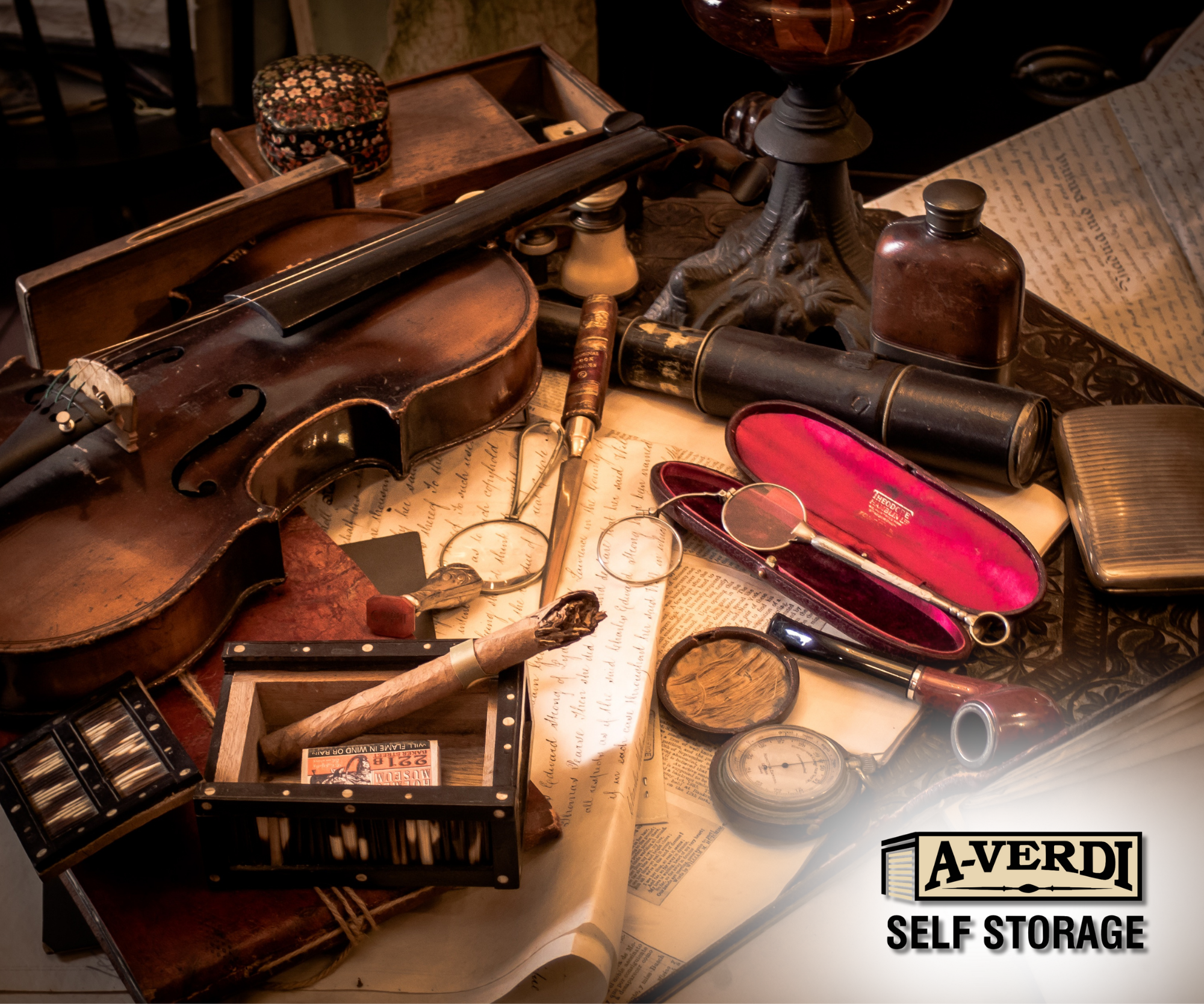
Vintage sentimental items including a violin, handwritten letters, antique eyeglasses, and keepsakes carefully arranged to represent safe storage of fragile heirlooms in a self storage unit.

Some belongings are easy to declutter. Old paperwork, worn-out clothes, broken gadgets—no emotional attachment, no second thoughts. Sentimental items are different. They carry stories, memories, and moments you don’t want to lose. Childhood keepsakes. Family heirlooms. Letters, photos, and items tied to milestones in your life. The challenge isn’t deciding whether they matter—it’s figuring out how to keep them safe, organized, and protected without letting them overrun your living space. The good news? You don’t have to choose between honoring your memories and enjoying a clutter-free home. With the right approach and smart storage solutions, you can do both. Why Sentimental Items Deserve Special Care Sentimental items often fall into two tricky categories at once: they’re emotionally irreplaceable and physically fragile. Unlike everyday belongings, these items may be: Made from materials that don’t age well (paper, fabric, wood, leather) One-of-a-kind, with no replacement if damaged Stored “temporarily” in places like attics, basements, or closets where conditions aren’t ideal Over time, exposure to moisture, temperature changes, dust, or pests can quietly damage items you thought were safe. Storing sentimental belongings properly isn’t just about organization—it’s about preservation. Deciding What to Keep (Without Guilt) Before packing anything away, it helps to pause and make thoughtful choices. Keeping everything “just in case” can quickly turn meaningful keepsakes into overwhelming clutter. Try asking yourself: Does this item represent a memory I truly want to preserve? Is the memory attached to the object—or the story behind it? Would a photo of this item preserve the memory just as well? Am I keeping this out of obligation rather than joy? You don’t need to keep every childhood drawing or inherited object to honor your past. Choosing the most meaningful pieces allows you to give them the care they deserve. Choose the Right Containers (This Matters More Than You Think) Once you’ve decided what to keep, how you store it makes a big difference. Avoid common storage mistakes Thin cardboard boxes that attract moisture Plastic bags that trap humidity Stacking fragile items without padding Tossing keepsakes loosely into bins “for now” Better storage options Sturdy plastic totes with secure lids Acid-free boxes for documents, letters, ...


Rose Verdi
February 9th, 2026


New Year Decluttering Tips for a Fresh Start (With Help from Self Storage)

Tips & Tricks


Cardboard boxes labeled keep, donate, and trash used in a home decluttering system before moving items into storage.

A new year always feels full of possibility—new habits, new goals, and hopefully a home that feels calm instead of chaotic. But it’s hard to feel “refreshed” when you’re stepping over boxes in the hallway, digging through overstuffed closets, and wondering where on earth you’re going to put the holiday décor you just took down. If you’re looking around your home and thinking, We’ve simply got too much stuff, you’re not alone. Life is busy, families grow, hobbies change, and before you know it, every corner has become storage space. The good news: decluttering doesn’t have to be overwhelming, and you don’t have to get rid of everything you love. With a clear plan—and smart use of self storage—you can reclaim your space and start 2026 feeling lighter and more organized. Below are practical New Year decluttering tips you can actually stick to, plus ideas for when a self storage unit can help you maintain that fresh start all year long. 1. Start With a Simple, Realistic Plan One of the biggest reasons decluttering efforts fizzle out is because we try to do too much at once. Instead of tackling the whole house in one weekend, set a plan that fits your schedule and energy level. Pick a decluttering style that works for you Choose one approach and commit to it for at least a month: 15-Minute Daily Declutter Set a timer for 15 minutes a day and focus on one small area: a single drawer, one shelf, or the top of a dresser. When the timer goes off, you’re done. It’s amazing how much you can accomplish in short, consistent bursts. Room-by-Room Reset Give each week a dedicated space: Week 1 is the bedroom, Week 2 is the kitchen, Week 3 is the living room, and so on. This gives you a clear focus and a sense of accomplishment as each room is “finished.” Category Clean-Out Instead of working by room, work by item type: clothing, books, papers, kids’ toys, tools, holiday décor, etc. This is helpful if ...


Rose Verdi
January 5th, 2026


Items per page
10
1 - 10 of 39 posts