Transitioning Your Vehicle Out of Winter Storage: What to Check Before You Hit the Road

Vehicle Storage


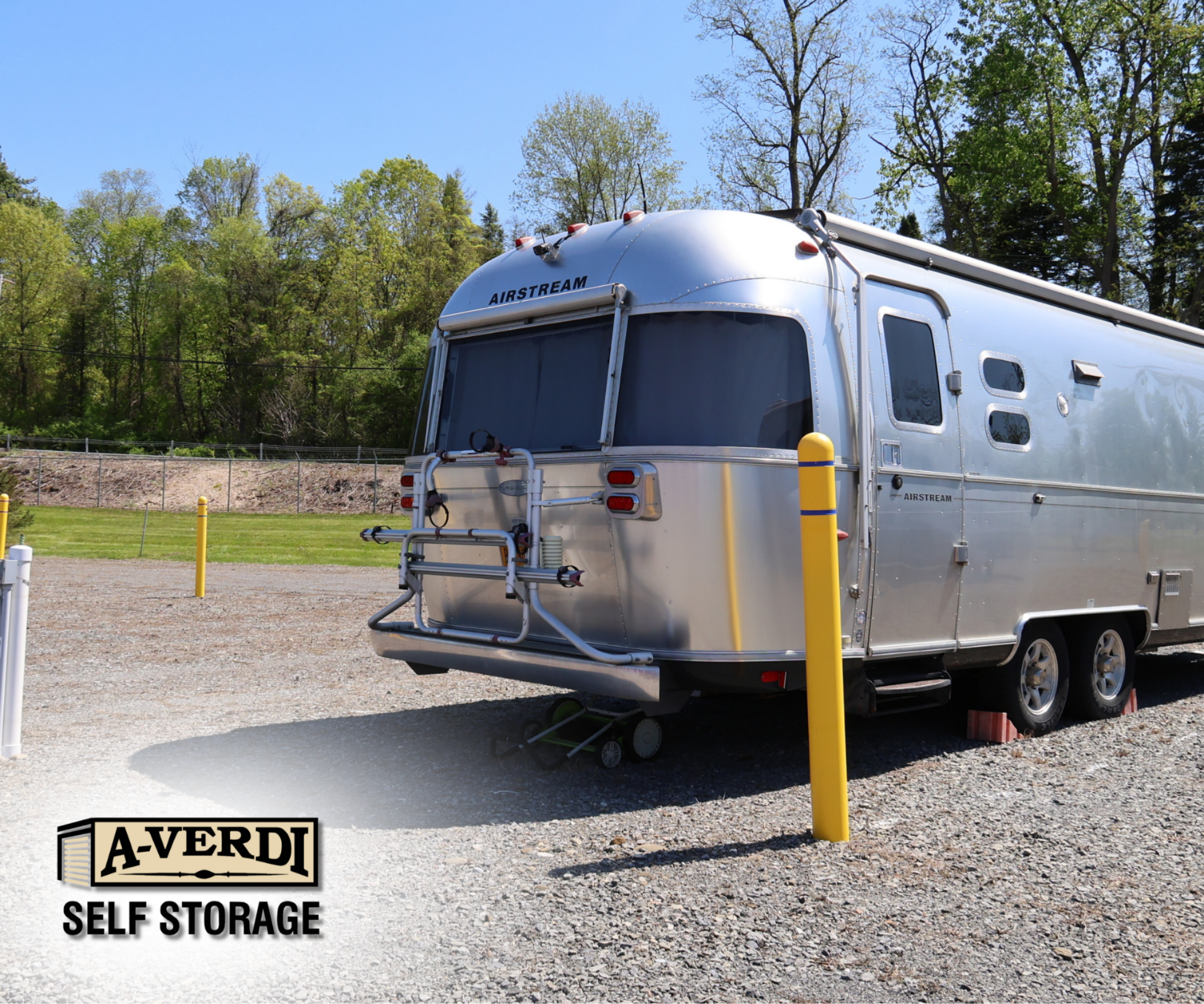
silver Airstream camper trailer stored at an A-Verdi Self Storage facility

The snow has melted, the roads are clear, and that familiar itch to get back behind the wheel is starting to set in. Whether it’s a classic car, motorcycle, RV, trailer, or seasonal vehicle, pulling it out of winter storage is an exciting milestone—it means spring has officially arrived. But before you turn the key and head out, a little preparation can make all the difference. Vehicles that have been sitting for weeks or months need a thoughtful transition back into use to avoid unnecessary issues, breakdowns, or damage. Here’s a practical, step-by-step guide to waking your vehicle up from winter storage safely and confidently. Start With a Visual Inspection Before starting the engine, take a slow walk around your vehicle. Look for anything that seems out of place or different from when you stored it. Pay attention to: Leaks or wet spots under the vehicle Cracked hoses, belts, or visible wiring issues Signs of pests, such as nesting material or chewed components Damage to mirrors, trim, or covers Catching small issues early can prevent bigger problems once you’re on the road. Check the Battery and Electrical Systems Cold weather and long periods of inactivity are tough on batteries. If you disconnected or removed the battery before storage, now’s the time to reconnect it. If the battery stayed in place: Check for corrosion on terminals Make sure connections are tight Test the charge before starting If the engine struggles to turn over or electronics seem sluggish, the battery may need charging or replacement. Once powered up, test lights, signals, windshield wipers, and interior electronics to ensure everything is functioning properly. Inspect Tires and Wheels Tires can lose pressure over time, especially in colder conditions. Before driving: Check tire pressure and inflate to manufacturer recommendations Look for cracks, bulges, or uneven wear Inspect wheels for rust or damage If the vehicle sat in one spot all winter, you may notice minor flat spots. These often resolve after a short drive, but severe vibration should be checked by a professional. For trailers and RVs, don’t forget to inspect spare tires as well. Check Fluids and Under-the-Hood Components Even if ...


Rose Verdi
March 23rd, 2026


Winter Vehicle Storage: Protecting Cars, RVs & Trailers When Temperatures Drop

Vehicle Storage


Winter in New York is tough on more than just your morning commute. Snow, ice, road salt, freezing rain, and long stretches of bitter cold can wreak havoc on vehicles—especially the ones that sit parked for weeks or months at a time. If you have a car you only drive seasonally, a classic vehicle you’re preserving, an RV that only hits the road in warmer weather, or a trailer that’s off-duty until spring, how you store it over the winter matters. Done right, you can extend the life of your vehicle, avoid expensive repairs, and enjoy a smooth start-up when the sun comes back. Done wrong… you might uncover dead batteries, flat spots on tires, rust, critters, or mysterious new leaks when you pull the cover off. The good news? You don’t need to be a mechanic to give your car, RV, or trailer a better winter home. With some simple prep steps and a proper storage plan, you can protect your investment all season long. Why Winter Vehicle Storage Matters It might be tempting to think: “I’ll just park it, throw a cover on, and deal with it in the spring.” But New York winters bring a whole mix of issues: Road salt and moisture can speed up rust and corrosion. Freezing temps are hard on batteries, seals, and fluids. Snow and ice buildup put extra weight and stress on roofs and awnings. Sitting in one place too long can flatten tires and dry out rubber components. When your vehicle is something you love (like a classic car) or something you rely on (like a work trailer or RV), a little extra care goes a long way. Step One: Give It a Fresh Start Before It Sleeps Think of winter storage as tucking your vehicle in for a long nap. You want it clean, comfortable, and prepared. Wash and protect the exterior Before storing: Give it a thorough wash, including the undercarriage if it’s been exposed to salt. Remove dirt, bugs, and road grime, which can damage paint over time. Consider a coat of wax for ...


Rose Verdi
February 2nd, 2026


RV & Boat Storage: Get Ready for Warmer Weather

Vehicle Storage


Partially enclosed storage structure housing a travel trailer, two boats, and a Class A motorhome under a metal roof with gravel flooring and wooden support beams.

Spring is here, and it’s time to start thinking about getting your RV or boat ready for adventure. If you’ve been storing your vehicle for the winter, A-Verdi Self Storage makes the transition easy. Why Store Your RV or Boat? Protection from Weather – Avoid damage from snow, ice, and freezing temperatures. More Space at Home – Free up driveway or garage space for daily vehicles. Easy Access for Spring Trips – Grab your RV or boat when you’re ready to hit the road or water. Spring Prep Checklist for RVs & Boats Check for Winter Damage – Inspect tires, batteries, and fluid levels. Clean & Air Out the Interior – Remove dust and check for mold. Schedule Maintenance – Ensure your vehicle is road or water-ready. A-Verdi Self Storage offers secure storage solutions to keep your RV and boat in top condition. Contact us today to reserve your space! Follow us on Facebook for the latest news! ...


Rose Verdi
March 3rd, 2025