Self-Storage
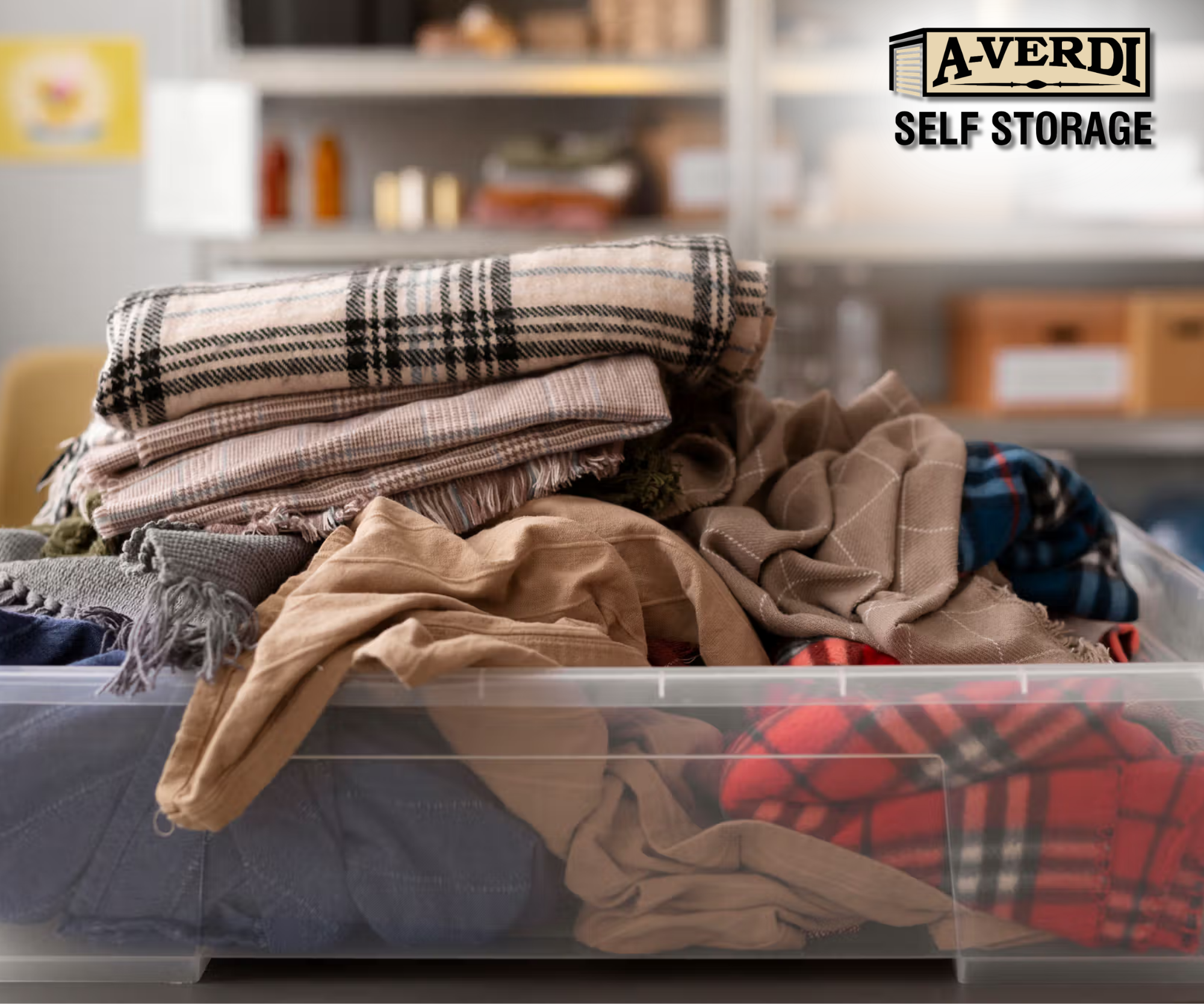
Spring is the season of fresh starts—but that doesn’t always mean getting rid of everything. For many households, the real challenge isn’t too much stuff; it’s too much stuff in the wrong place at the wrong time.
As the weather warms, daily routines shift. Heavy coats get pushed aside, winter gear becomes irrelevant, and suddenly the items you actually need—bikes, yard tools, sports equipment—don’t have anywhere to go. That’s where seasonal storage comes in.
Seasonal storage isn’t about hiding clutter. It’s about rotating belongings based on how you live right now, creating space without sacrificing the items you’ll need again later.
Here’s a practical look at what typically makes sense to move out of the house in spring—and why.
Why Seasonal Storage Works So Well
Most homes are designed for everyday living, not year-round storage of everything we own.
Seasonal storage helps by:
Reducing visual clutter
Making daily items easier to access
Keeping seldom-used belongings protected
Preventing closets, garages, and basements from overflowing
Instead of forcing your home to hold winter and summer at the same time, seasonal storage lets each season have its turn.
Winter Clothing & Cold-Weather Accessories
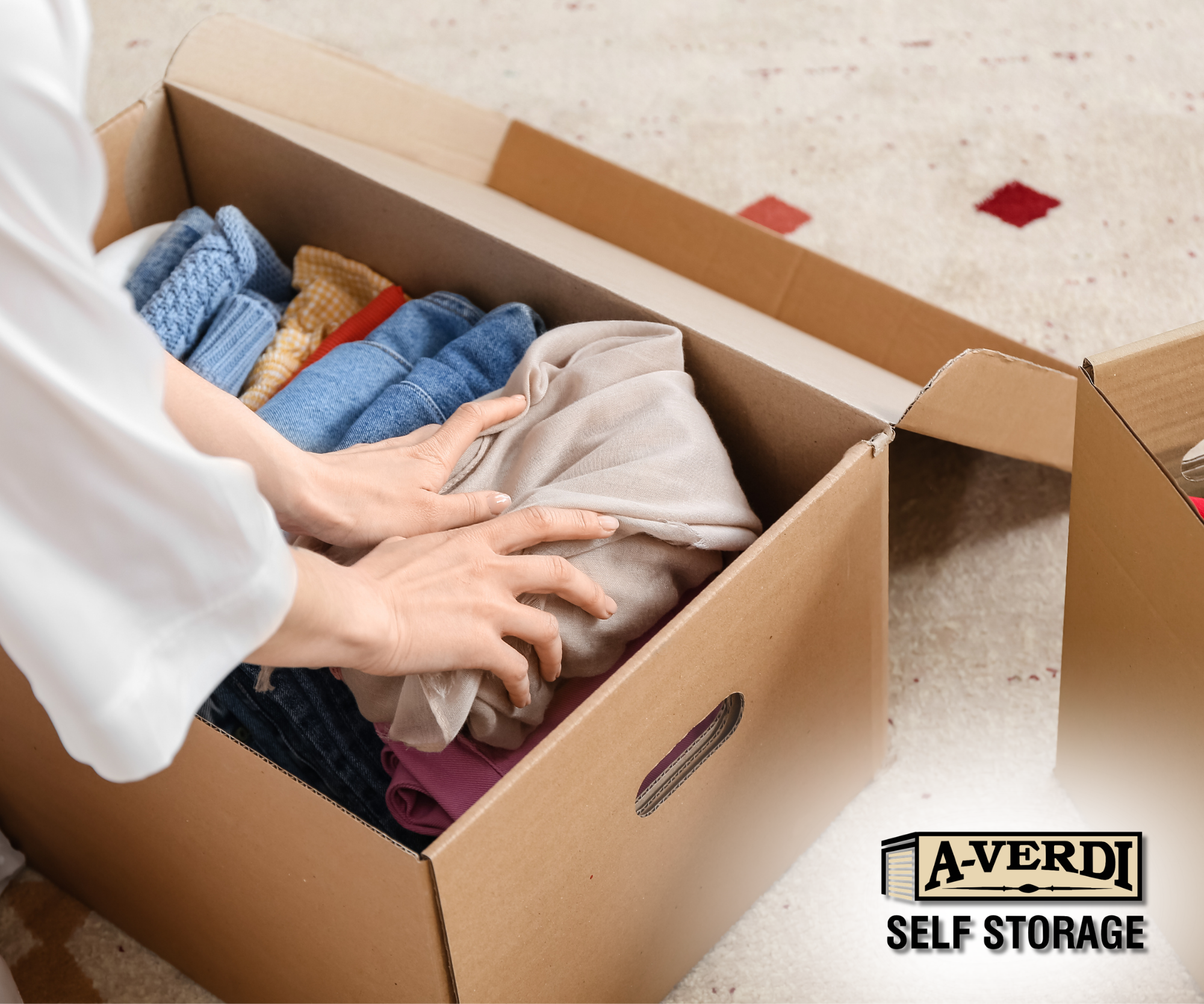
As soon as spring arrives, winter wardrobes become bulky obstacles.Heavy coats, snow boots, scarves, gloves, and insulated accessories take up valuable closet space—often crowding out the lighter clothing you’re ready to wear.
Moving winter clothing into storage allows you to:
See and access spring and summer clothes more easily
Avoid overstuffed closets and jammed drawers
Protect winter items from unnecessary wear
Before storing, clean items thoroughly and pack them in labeled bins so they’re easy to retrieve when fall returns.
Holiday & Seasonal Décor
By spring, most winter décor has already overstayed its welcome.Common spring storage candidates include:
Holiday decorations and lights
Artificial trees, wreaths, and lawn displays
Seasonal serving pieces and specialty cookware
These items are only needed once or twice a year—but often take up a surprising amount of space. Storing them off-site keeps closets and basements usable year-round while protecting décor from damage.
Winter Sports & Cold-Weather Gear
Skis, snowboards, sleds, snowshoes, and bulky winter sports gear don’t need to live in the ...
Rose Verdi
April 6th, 2026

_09152026091110703.png)
_09032026085458065.png)
_08202026093137090.png)
_08052026092623029.png "Making Room for Back-to-School with A-Verdi Self Storage")
_07172026132313487.png "Family Unloading Summer Items at Self Storage Unit")