
Organizing Outdoor Gear for the Summer Season (Without Taking Over Your Garage)
Organizing Outdoor Gear for the Summer Season (Without Taking Over Your Garage)
Rose Verdi
April 27th, 2026
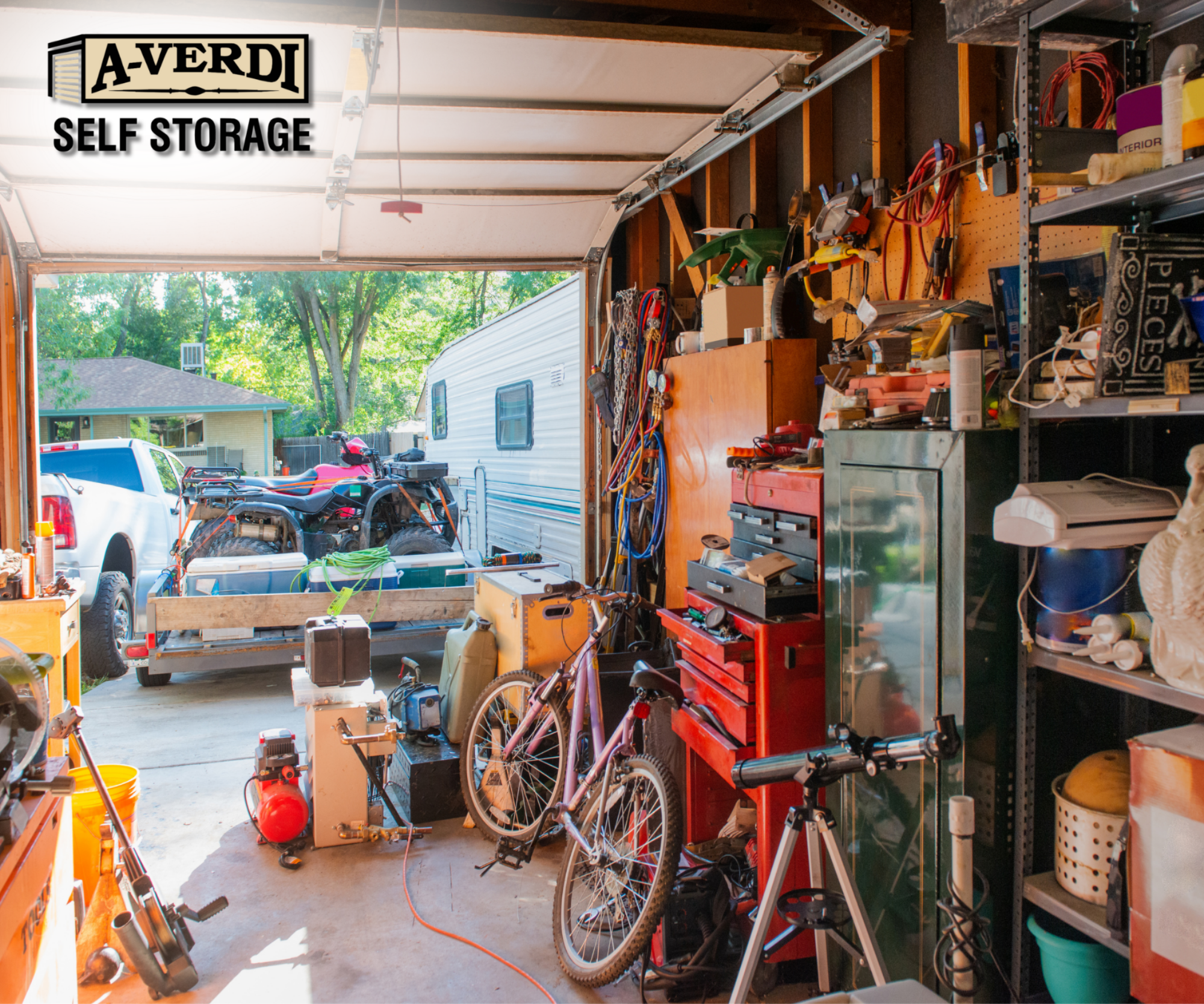
As the weather warms up, life naturally shifts outdoors.
Suddenly, bikes come out of storage, lawn equipment gets regular use, sports gear multiplies, and outdoor furniture reappears. Summer is meant to feel light and fun—but for many households, it also brings a familiar problem: outdoor gear chaos.
Garages become obstacle courses. Sheds overflow. Patios double as storage zones. And every time you need one specific item, you end up moving five others to get to it.
The solution isn’t getting rid of everything—it’s organizing outdoor gear in a way that matches how you actually use it. With a little planning and smart use of storage, you can enjoy summer without tripping over it.
Why Outdoor Gear Gets Out of Control So Fast
Outdoor gear is tricky because it’s:
- Bulky
- Used frequently—but not year-round
- Often shared by multiple family members
- Constantly rotating in and out depending on activities
Unlike indoor items, outdoor gear doesn’t always have a natural “home.” Bikes lean against walls, sports equipment piles up in corners, and tools migrate wherever there’s space.
Without a system, summer fun can quickly turn into daily frustration.
Start by Grouping Gear by Activity
Before organizing anything, take stock of what you actually have.
Pull outdoor gear into broad categories, such as:
- Bikes, scooters, and ride-on toys
- Yard tools and lawn equipment
- Sports gear (baseball, soccer, golf, etc.)
- Camping and recreation equipment
- Pool and beach accessories
- Outdoor furniture cushions and décor
Seeing everything grouped together makes it easier to identify duplicates, broken items, or things that aren’t being used anymore.
It also helps you decide what should stay easily accessible—and what doesn’t need to take up prime space.
Decide What You Need Right Now
Not all summer gear is used equally.
Some items are daily or weekly essentials. Others are only used for occasional trips or specific activities. Mixing everything together is what causes clutter.
Ask yourself:
- What do we use weekly or daily?
- What do we use a few times per season?
- What won’t be used again until late summer or fall?
Items in the first group should be the easiest to reach. Everything else can be stored more intentionally—or moved off-site entirely.
Make the Garage Work for You (Not Against You)
The garage is often the default storage area for outdoor gear—but without structure, it quickly becomes overwhelming.
A few strategic changes can dramatically improve how usable it feels.
Keep the floor as clear as possible
Floor clutter makes garages feel smaller than they are.
Whenever possible:
- Hang bikes instead of leaning them
- Use wall hooks for tools and sports equipment
- Store smaller items in labeled bins on shelves
Clear floor space improves safety and makes it easier to park vehicles or move around.
Store by frequency of use
Place the most-used items at eye level or near the entrance. Seasonal or rarely used gear can go higher up or further back.
This reduces daily frustration and keeps gear from migrating into walkways.
Sheds & Outdoor Storage Areas Need Structure Too
Sheds are great—until they become black holes.
If you use a shed for outdoor gear:
- Group items by category inside
- Use bins instead of loose piles
- Keep walkways clear
- Label shelves or sections
A well-organized shed saves time and prevents damage caused by stacking or crowding.
When Self Storage Makes Sense for Outdoor Gear
Even with great organization, there’s a limit to how much gear your home can comfortably hold.
Self storage becomes especially helpful for:
- Camping gear only used a few times per year
- Extra bikes or sports equipment
- Seasonal décor and outdoor furniture cushions
- Large recreational items that don’t fit neatly at home
Using a storage unit allows you to rotate gear seasonally instead of trying to store everything at once.
Instead of a garage packed wall-to-wall, you get a functional space that supports daily life.
Rotate Gear Instead of Storing Everything at Once
One of the smartest organization habits is seasonal rotation.
Rather than storing winter and summer gear together, rotate items based on the season:
- Move winter equipment fully into storage in spring
- Bring summer gear forward and organize it intentionally
- Revisit stored items again in fall
This approach keeps your home lighter and easier to manage year-round.
Don’t Forget About Safety & Protection
Outdoor gear often takes a beating—but proper storage helps extend its lifespan.
Before storing items:
- Clean dirt, salt, or moisture off equipment
- Let items dry fully before packing
- Use sturdy bins instead of flimsy bags
- Avoid stacking heavy items on delicate gear
Protecting gear now saves money and frustration later.
Organizing Outdoor Gear Helps Everyone
When outdoor gear is organized:
- Kids can find and put away their own equipment
- Adults spend less time searching and rearranging
- Garages and sheds feel usable instead of stressful
- Outdoor activities become easier to enjoy spontaneously
Organization removes friction—and summer should be about ease, not obstacles.
A Lighter, More Enjoyable Summer Starts With Space
Outdoor gear is meant to support fun, movement, and relaxation—not stress.
By grouping gear intentionally, prioritizing access, and using self storage to handle overflow, you can create a setup that works with your lifestyle instead of against it.
At A-Verdi Self Storage, we help families and individuals use storage as a seasonal tool—keeping homes functional while still making room for the things that make summer memorable.
Make Space for the Season Ahead
If your garage, shed, or patio already feels crowded, now is the perfect time to reset before summer is in full swing.Organize what you use, store what you don’t, and enjoy the season without the clutter.