
Seasonal Storage: What to Move Out of the House This Spring
Seasonal Storage: What to Move Out of the House This Spring
Rose Verdi
April 6th, 2026
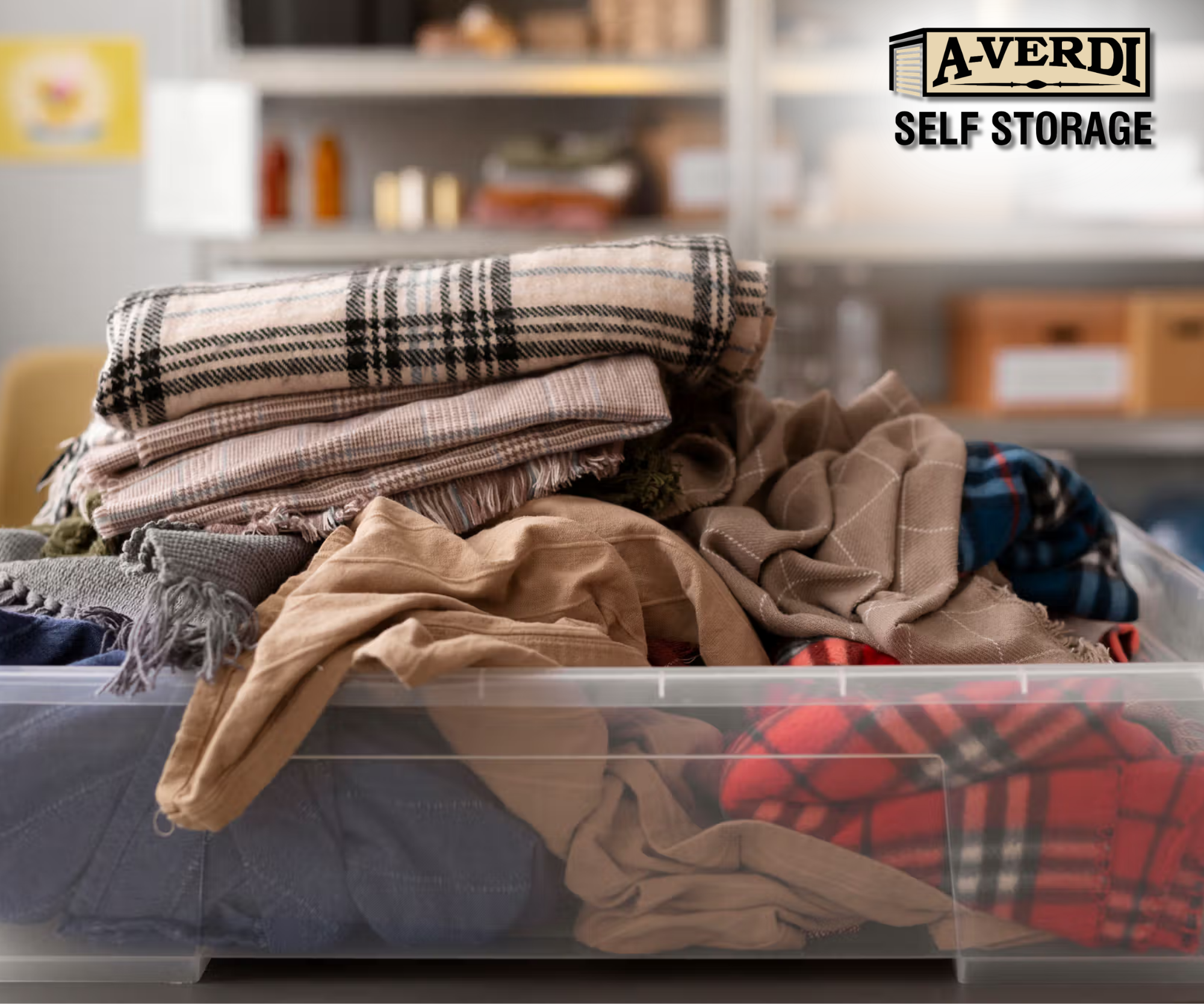
Spring is the season of fresh starts—but that doesn’t always mean getting rid of everything. For many households, the real challenge isn’t too much stuff; it’s too much stuff in the wrong place at the wrong time.
As the weather warms, daily routines shift. Heavy coats get pushed aside, winter gear becomes irrelevant, and suddenly the items you actually need—bikes, yard tools, sports equipment—don’t have anywhere to go. That’s where seasonal storage comes in.
Seasonal storage isn’t about hiding clutter. It’s about rotating belongings based on how you live right now, creating space without sacrificing the items you’ll need again later.
Here’s a practical look at what typically makes sense to move out of the house in spring—and why.
Why Seasonal Storage Works So Well
Most homes are designed for everyday living, not year-round storage of everything we own.
Seasonal storage helps by:
- Reducing visual clutter
- Making daily items easier to access
- Keeping seldom-used belongings protected
- Preventing closets, garages, and basements from overflowing
Instead of forcing your home to hold winter and summer at the same time, seasonal storage lets each season have its turn.
Winter Clothing & Cold-Weather Accessories
As soon as spring arrives, winter wardrobes become bulky obstacles.Heavy coats, snow boots, scarves, gloves, and insulated accessories take up valuable closet space—often crowding out the lighter clothing you’re ready to wear.
Moving winter clothing into storage allows you to:
- See and access spring and summer clothes more easily
- Avoid overstuffed closets and jammed drawers
- Protect winter items from unnecessary wear
Before storing, clean items thoroughly and pack them in labeled bins so they’re easy to retrieve when fall returns.
Holiday & Seasonal Décor
By spring, most winter décor has already overstayed its welcome.Common spring storage candidates include:
- Holiday decorations and lights
- Artificial trees, wreaths, and lawn displays
- Seasonal serving pieces and specialty cookware
These items are only needed once or twice a year—but often take up a surprising amount of space. Storing them off-site keeps closets and basements usable year-round while protecting décor from damage.
Winter Sports & Cold-Weather Gear
Skis, snowboards, sleds, snowshoes, and bulky winter sports gear don’t need to live in the garage all summer.
Moving winter gear into storage:
- Frees up garage space for warm-weather activities
- Prevents accidental damage during busy seasons
- Makes it easier to organize summer equipment
When winter returns, everything is already packed, labeled, and ready to go.
Snow Removal Equipment
Snowblowers, shovels, salt bins, and ice melt are essential in winter—but unnecessary in spring and summer.
Storing snow equipment off-site helps:
- Create room for lawn care tools and outdoor projects
- Reduce clutter and tripping hazards
- Protect equipment from rust or weather exposure
This rotation makes seasonal transitions smoother and keeps garages functional instead of chaotic.
Extra Furniture & Heavy Blankets
Spring often inspires rearranging, redecorating, or simply wanting a lighter feel indoors.
Furniture and textiles that may be good storage candidates include:
- Extra chairs or tables
- Bulky throws and heavy blankets
- Accent décor not currently in use
Instead of forcing these items into corners or spare rooms, storage gives you the flexibility to rotate décor without permanently letting go.
Paperwork & Archived Household Items
Spring cleaning often uncovers piles of documents that don’t need to be within arm’s reach.
While some paperwork should remain easily accessible, others—like archived records or past-year files—can be stored securely off-site. This helps keep home offices and shared spaces clean and functional.
How to Pack Seasonal Items for Easy Rotation
Seasonal storage works best when it’s organized with intention.
Helpful habits include:
- Packing by category or season
- Labeling boxes clearly on multiple sides
- Placing frequently retrieved items near the front of your unit
- Keeping an inventory list so nothing is forgotten
The easier it is to rotate items in and out, the more useful storage becomes.
Seasonal Storage Isn’t Just for Big Homes
You don’t need a large house to benefit from seasonal storage.
Apartments, condos, townhomes, and shared living spaces often feel the impact even more. A small storage unit can make a dramatic difference—freeing up closets, improving flow, and reducing daily stress.
Create Space Without Giving Anything Up
Spring is about lightness—physically and mentally.
Seasonal storage allows you to enjoy a more open, organized home now without saying goodbye to items you’ll want later. It’s a flexible, practical way to adapt your space as life and seasons change.
At A-Verdi Self Storage, we help families use storage as a seasonal tool—one that supports how you live instead of working against it.
Let Spring Breathe a Little Easier
If your home feels heavy or crowded after winter, it may not need a full purge—it may just need a reset.
By rotating seasonal items into storage, you can create immediate breathing room and make your home feel ready for everything spring and summer bring.