
Transitioning Your Vehicle Out of Winter Storage: What to Check Before You Hit the Road
Transitioning Your Vehicle Out of Winter Storage: What to Check Before You Hit the Road
Rose Verdi
March 23rd, 2026
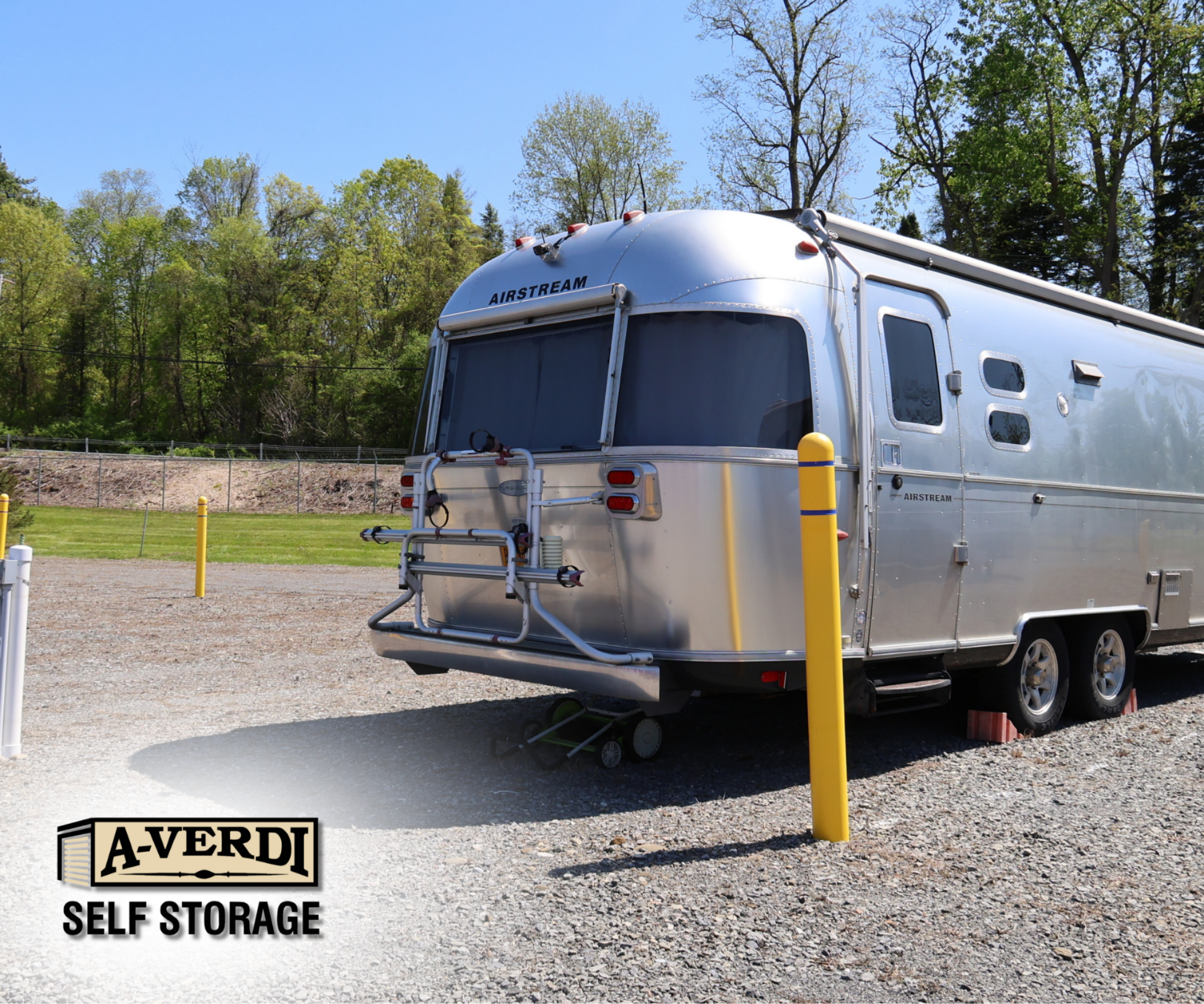
The snow has melted, the roads are clear, and that familiar itch to get back behind the wheel is starting to set in. Whether it’s a classic car, motorcycle, RV, trailer, or seasonal vehicle, pulling it out of winter storage is an exciting milestone—it means spring has officially arrived.
But before you turn the key and head out, a little preparation can make all the difference. Vehicles that have been sitting for weeks or months need a thoughtful transition back into use to avoid unnecessary issues, breakdowns, or damage.
Here’s a practical, step-by-step guide to waking your vehicle up from winter storage safely and confidently.
Start With a Visual Inspection
Before starting the engine, take a slow walk around your vehicle. Look for anything that seems out of place or different from when you stored it.
Pay attention to:
- Leaks or wet spots under the vehicle
- Cracked hoses, belts, or visible wiring issues
- Signs of pests, such as nesting material or chewed components
- Damage to mirrors, trim, or covers
Catching small issues early can prevent bigger problems once you’re on the road.
Check the Battery and Electrical Systems
Cold weather and long periods of inactivity are tough on batteries. If you disconnected or removed the battery before storage, now’s the time to reconnect it.
If the battery stayed in place:
- Check for corrosion on terminals
- Make sure connections are tight
- Test the charge before starting
If the engine struggles to turn over or electronics seem sluggish, the battery may need charging or replacement.
Once powered up, test lights, signals, windshield wipers, and interior electronics to ensure everything is functioning properly.
Inspect Tires and Wheels
Tires can lose pressure over time, especially in colder conditions.
Before driving:
- Check tire pressure and inflate to manufacturer recommendations
- Look for cracks, bulges, or uneven wear
- Inspect wheels for rust or damage
If the vehicle sat in one spot all winter, you may notice minor flat spots. These often resolve after a short drive, but severe vibration should be checked by a professional.
For trailers and RVs, don’t forget to inspect spare tires as well.
Check Fluids and Under-the-Hood Components
Even if you topped off fluids before storage, it’s important to recheck everything.
Look at:
- Engine oil
- Coolant
- Brake fluid
- Power steering fluid
- Transmission fluid (if applicable)
- Windshield washer fluid
Check hoses and belts for cracks or stiffness, and make sure fluid levels are where they should be. Any unusual smells or discoloration are worth investigating before driving.
Ease Back Into Driving
When everything checks out, resist the urge to immediately take a long trip.
Start with:
- A short drive close to home
- Gentle acceleration and braking
- Listening for unusual noises
- Watching gauges and warning lights
This allows systems to warm up gradually and gives you time to notice anything that doesn’t feel right.
For motorcycles, RVs, and trailers, make sure brakes respond properly and steering feels stable before heading onto busier roads.
Clean and Refresh the Interior
Spring is a great time to give your vehicle a refresh.Remove any moisture absorbers, covers, or protective materials used during storage. Vacuum and wipe down surfaces to remove dust or lingering odors.
For RVs and trailers:
- Reconnect water systems carefully
- Inspect seals around windows, doors, and roof vents
- Test appliances and electrical hookups
This step helps you start the season feeling organized and comfortable—not rushed or surprised.
Update Paperwork and Safety Gear
Before getting back into regular use, take a moment to check:
- Registration and inspection dates
- Insurance coverage
- Emergency kits and safety supplies
Replace expired items and restock anything you used before storage. It’s a small step that adds peace of mind once you’re back on the road.
When Storage Continues to Make Sense
Even after transitioning your vehicle out of winter storage, you may not need it on the road full-time right away.
Many people continue to use vehicle storage during early spring for:
- RVs and trailers awaiting trip season
- Classic cars driven only occasionally
- Extra vehicles freeing up driveway space
Having a reliable storage solution gives you flexibility—letting you enjoy your vehicle on your terms without cluttering your home or property.
Ready for the Road (and the Season Ahead)
Bringing your vehicle out of winter storage is one of the most satisfying signs that warmer days are here. With a careful inspection and a slow, thoughtful transition, you can enjoy a smooth start to the season and avoid unnecessary headaches.
At A-Verdi Self Storage, we support vehicle owners year-round—from winter storage to spring transitions and everything in between. Whether you’re storing for the season or preparing for your first drive, we’re here to help keep your vehicle protected and ready when you are.