
Winter Vehicle Storage: Protecting Cars, RVs & Trailers When Temperatures Drop
Rose Verdi
February 2nd, 2026
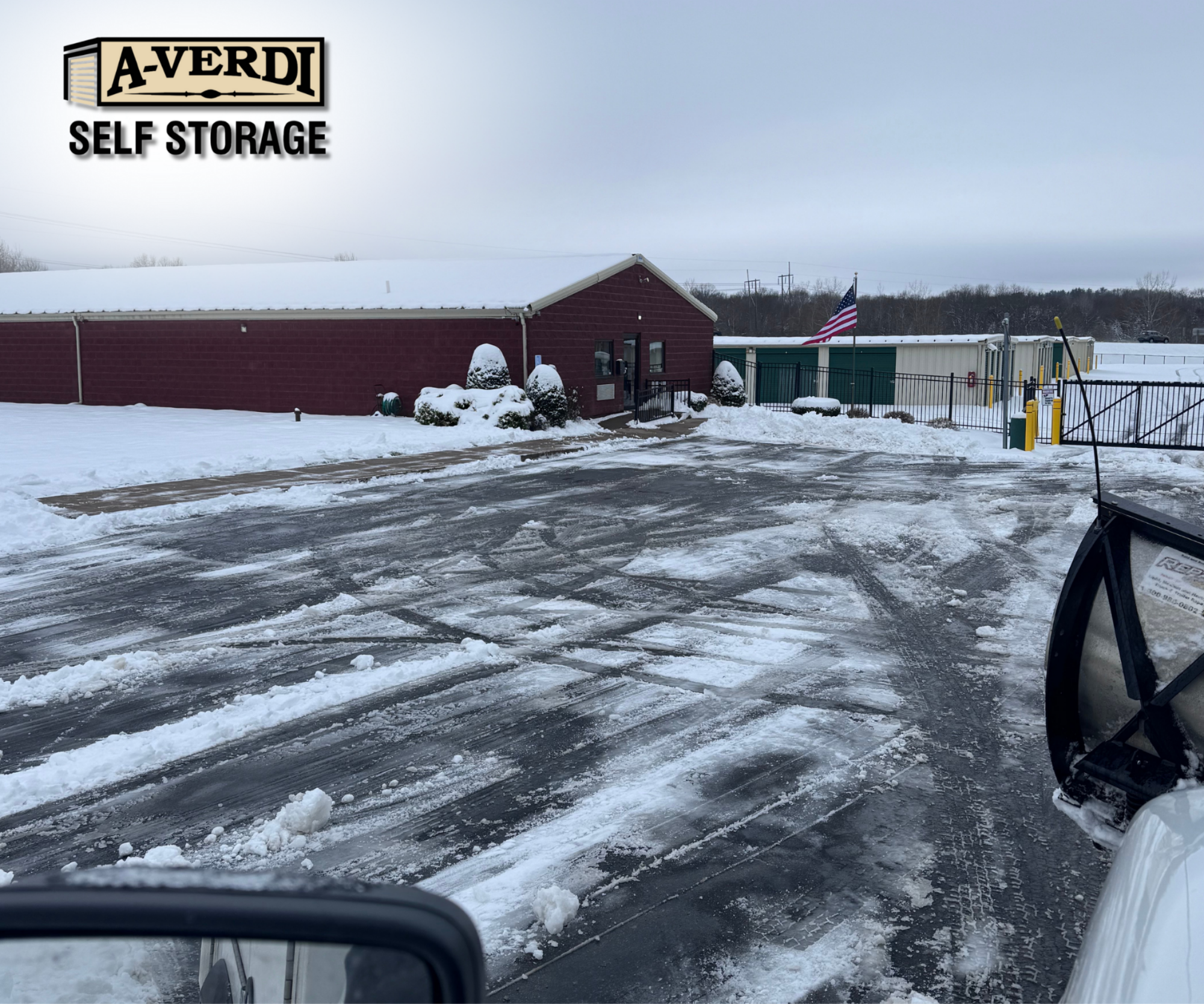
Winter in New York is tough on more than just your morning commute. Snow, ice, road salt, freezing rain, and long stretches of bitter cold can wreak havoc on vehicles—especially the ones that sit parked for weeks or months at a time.
If you have a car you only drive seasonally, a classic vehicle you’re preserving, an RV that only hits the road in warmer weather, or a trailer that’s off-duty until spring, how you store it over the winter matters. Done right, you can extend the life of your vehicle, avoid expensive repairs, and enjoy a smooth start-up when the sun comes back. Done wrong… you might uncover dead batteries, flat spots on tires, rust, critters, or mysterious new leaks when you pull the cover off.
The good news? You don’t need to be a mechanic to give your car, RV, or trailer a better winter home. With some simple prep steps and a proper storage plan, you can protect your investment all season long.
Why Winter Vehicle Storage Matters
It might be tempting to think: “I’ll just park it, throw a cover on, and deal with it in the spring.”
But New York winters bring a whole mix of issues:
- Road salt and moisture can speed up rust and corrosion.
- Freezing temps are hard on batteries, seals, and fluids.
- Snow and ice buildup put extra weight and stress on roofs and awnings.
- Sitting in one place too long can flatten tires and dry out rubber components.
When your vehicle is something you love (like a classic car) or something you rely on (like a work trailer or RV), a little extra care goes a long way.
Step One: Give It a Fresh Start Before It Sleeps
Think of winter storage as tucking your vehicle in for a long nap. You want it clean, comfortable, and prepared.
Wash and protect the exterior
Before storing:
- Give it a thorough wash, including the undercarriage if it’s been exposed to salt.
- Remove dirt, bugs, and road grime, which can damage paint over time.
- Consider a coat of wax for an added layer of protection against moisture.
For RVs and trailers, don’t forget the roof. A clean roof is less likely to develop stains, streaks, or small leaks that go unnoticed.
Clean the interior
Crumbs, food wrappers, and even small spills can attract pests over winter.
- Vacuum seats, floors, and compartments.
- Remove any food or scented items.
- Wipe down surfaces so you’re not greeted by strange smells in the spring.
If you’re storing an RV, take the time to empty and clean the fridge, pantry, and cabinets. Leave fridge doors cracked open to prevent odors.
Fluids, Fuel & Batteries: Small Details, Big Impact
You don’t necessarily have to perform a full service before storage, but a few key checks can help prevent problems.
Top off fluids
Check and top off:
- Engine oil
- Coolant/antifreeze
- Windshield washer fluid
- Brake fluid
Fresh oil is especially helpful if your vehicle will sit for several months, as old, dirty oil sitting in place isn’t ideal.
Fuel considerations
For gasoline-powered vehicles that will remain off the road all winter, many owners choose to:
- Fill the tank to help reduce moisture and condensation.
- Add a fuel stabilizer (following product directions) to help keep fuel from breaking down over time.
This can make spring start-up smoother and reduce the risk of clogged components.
Preserve your battery
Cold drains batteries faster, and a vehicle that isn’t driven regularly can struggle when it’s time to start again.
You have a few options:
- Disconnect the battery to reduce slow drain from electronics.
- Use a battery maintainer or trickle charger (especially helpful for cars and RVs).
If your vehicle is stored in a facility where power is available and permitted, a maintainer can keep the battery in good health all winter. If not, disconnecting it—or removing it and storing it in a less frigid environment—can help.
Don’t Forget Tires & Parking Position
Vehicles aren’t meant to sit in one place for months without preparation. Tires, in particular, can suffer.
Protect your tires
- Inflate tires to the manufacturer’s recommended pressure.
- For long-term storage, consider moving the vehicle slightly every few weeks to prevent flat spots (if practical).
- Some owners of long-stored vehicles choose to use jack stands to remove some weight from the tires, but this is a personal preference and should be done safely.
For trailers and RVs, tire covers can help protect rubber from sun and weathering if stored outdoors.
Choose a smart parking surface
Whenever possible, park on:
- Pavement or gravel, not bare dirt or grass.
- A level surface where water doesn’t pool around the vehicle.
Parking for months on soft, wet ground can lead to moisture issues underneath and more exposure to mud, ice, and snow.
Critter Control: Keep Unwanted Guests Out
As temperatures drop, small animals start looking for warm, sheltered places. Unfortunately, engines, compartments, and cozy RV interiors can look very inviting.
To discourage pests:
- Close all windows and doors securely.
- Seal obvious gaps where small animals might squeeze through.
- Avoid leaving fabric items, paper, or food scraps available as nesting material.
- For RVs, consider using pest deterrents approved for vehicles in storage areas (and always follow safety directions).
A little prevention is much easier than repairing chewed wires or cleaning up a nest in the spring.
Outdoor vs. Covered vs. Facility Storage
Where you store your car, RV, or trailer makes a big difference in how well it weathers the winter.
Storing at home
For some people, driveway or yard storage is the only option—but it does come with challenges:
- Exposure to snow, ice, and falling branches
- Limited space and maneuverability
- Extra shoveling or plowing around a parked vehicle
- Neighborhood or HOA restrictions in some areas
If you’re using a cover at home, choose one designed for your specific type of vehicle that allows some airflow while still offering protection.
Using a self storage facility
Many vehicle owners choose to store:
- Cars or small vehicles in enclosed units (where available and appropriate in size)
- Larger RVs and trailers in designated outdoor or covered vehicle storage areas
The advantages of using a storage facility often include:
- A designated place just for your vehicle—freeing up your driveway or yard
- Surfaces designed for vehicle parking
- Gated access and security features
- A more organized, less cluttered home property
And if you combine vehicle storage with a regular self storage unit, you can keep related items—like camping gear, RV accessories, tools, or seasonal equipment—close by and organized.
Should You Start the Vehicle During Storage?
This is a common question. Briefly starting the engine once in a while and then shutting it off without fully warming up can sometimes create more moisture and condensation inside the engine than just letting it sit.
If you choose to start your vehicle periodically:
- Let it run long enough to reach full operating temperature.
- If possible, move it slightly so the tires aren’t sitting in exactly the same position all winter.
If that’s not realistic, you’re usually better off preparing the vehicle well at the beginning of storage and leaving it alone until you’re ready to bring it back into regular use.
RV & Trailer-Specific Winter Prep
RVs and larger trailers are more than vehicles—they’re mobile homes or workspaces. That means extra systems to protect.Common winterizing steps (especially in cold climates) include:
- Draining water lines and tanks or using proper RV antifreeze where appropriate
- Emptying and cleaning holding tanks
- Shutting down and securing propane systems if required
- Sealing roof vents and checking seals around windows and doors
Every RV is different, so it’s important to follow your owner’s manual or speak with a qualified technician—but the goal is always the same: prevent frozen pipes, leaks, and winter damage.
Make a Spring “Wake-Up” Checklist Now
One of the smartest winter storage moves? Making a quick spring checklist before you forget what you’ve done.
Jot down what you’ll want to do when it’s time to pull the vehicle out of storage:
- Reconnect or reinstall the battery
- Check tire pressures and inspect for flat spots
- Inspect under the vehicle and under the hood for signs of leaks or critters
- Check all lights, signals, and safety features
- Reverse any winterizing steps for RVs and trailers
Tuck that list into your glove box or a folder so it’s ready when you are. Your future self will thank you.
Give Your Vehicle a Winter Home It Deserves
Your car, RV, or trailer is more than a machine—it’s freedom, memories, and often a significant investment. Taking a little time to prepare it for winter storage helps protect all of that.
From simple steps like cleaning and covering to using a secure storage facility designed for vehicles, you’re not just “parking it for winter.” You’re making sure it’s ready for many more seasons of road trips, camping weekends, and everyday drives.
If you’re looking for a place to store your vehicle this winter—or want to combine vehicle storage with extra space for your gear and equipment—our team at A-Verdi Self Storage is here to help you find an option that fits your needs and your schedule.
For more seasonal storage tips, vehicle care ideas, and updates from our local team, be sure to follow A-Verdi Self Storage on Facebook and YouTube!